

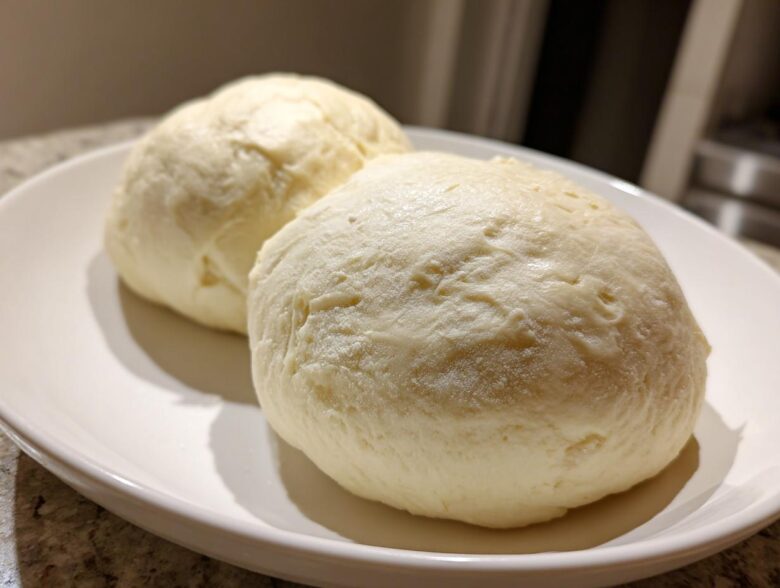
There is something deeply satisfying about mastering a foundational recipe—the kind of food that anchors an entire cuisine. For us, that’s learning how to make truly great fufu. I know, I know, the traditional pounding method sounds intense, and honestly, my first few attempts resulted in hands that felt like they’d wrestled a brick! But Eva and I finally cracked the code on a simple, stovetop method that makes an unbelievably soft, smooth West African Fufu Recipe for Beginners. Seriously, ditch the idea that this is only for experts. We developed this quick technique right here in our chaotic kitchen, and trust me, you won’t want to go back. If you want to know more about how we capture these kitchen stories, check out our little manifesto over at Flavor Zine. Let’s get cooking, friends!
What is fufu and Why This Beginner Fufu Recipe Works
If you’re new to West African Fufu Recipe discussions, you might be wondering what exactly it is. Think of fufu as the ultimate comfort staple—it’s a soft, dough-like mass, usually made from plantain, yam, or cassava, and it’s often referred to as one of the famous African Swallows! Its job isn’t to taste strongly of anything; it’s meant to be the perfect, pliable vehicle for scooping up delicious, rich soups and stews.
Traditionally, you’d pound the cooked tubers for what feels like an hour to get that perfect elasticity. That’s where the workout comes in! But for our Flavor Zine approach, we skip the pounding almost entirely. This Beginner Fufu Recipe uses boiling water and flour stirred vigorously. It cuts the prep time down to minutes, giving you that satisfying, stretchy texture without breaking your arm.
Achieving Soft Smooth Fufu Tutorial Results
The secret to avoiding those awful, hard lumps when you use this stovetop method is all about the initial slurry. You absolutely must ensure that flour and cold water are mixed completely smooth—no dry pockets allowed! When you pour that slurry into the boiling water, the rapid stirring suspends the starch particles before they can clump together. This simple step is why you get that incredible, soft smooth fufu tutorial texture every single time, even if you’re making it for the very first time!
Ingredients for Your Quick Fufu Recipe
Okay, so I love how ridiculously simple the ingredient list is for this Quick Fufu Recipe; it feels like cheating, honestly! You only need two main things to get this going. Remember, we are using Fufu Flour here—this is usually either cassava or yam flour, depending on what’s available locally. For this batch, grab exactly what I wrote down!
- 2 cups Fufu Flour (Cassava or Yam Flour)
- 4 cups Water (divided)
- 1/4 teaspoon Salt (optional)
Fufu Flour Notes and Substitutions
If you’re sourcing your flour, look for what they market as ‘Fufu Flour’ or ‘Pounded Yam Flour.’ If you can’t find that exact bag, finding straight cassava flour works great for this method. Just a heads-up though: if you decide to try a Plantain Fufu Recipe later on, you might need to tweak the water ratio a little because those tend to absorb moisture differently. For now, stick to the basic flour for this soft, smooth outcome!
How To Make Fufu Easily: Step-by-Step Instructions
This is where the magic happens, and honestly, this is where I almost gave up the first time. When I tried this Quick Fufu Recipe before Eva helped me refine my technique, the whole pot turned into a single, angry, rock-hard lump of starch! That was when I learned: *vigorous* stirring is not optional!
First things first, get three cups of your water steaming hot—we want a rolling boil going before we add anything else. While that heats up, mix that fufu flour with the remaining cold water until it is thinner than heavy cream. I mean, absolutely zero lumps. This step is why you learn How To Make Fufu Easily; you’re preventing the disaster early!
Now, take that simmering water, and slowly pour in your slurry while stirring like your life depends on it. It thickens almost instantly, right? That’s the fun part! Once it looks like a thick paste, drop that heat way down to low. You have to keep stirring and folding the dough against the sides of the pot for about five to eight minutes. You’re trying to cook out that raw starch taste and develop that recognizable elasticity. Seriously, keep stirring until it feels pliable.
Creating the Perfect Fufu Dough Recipe Consistency
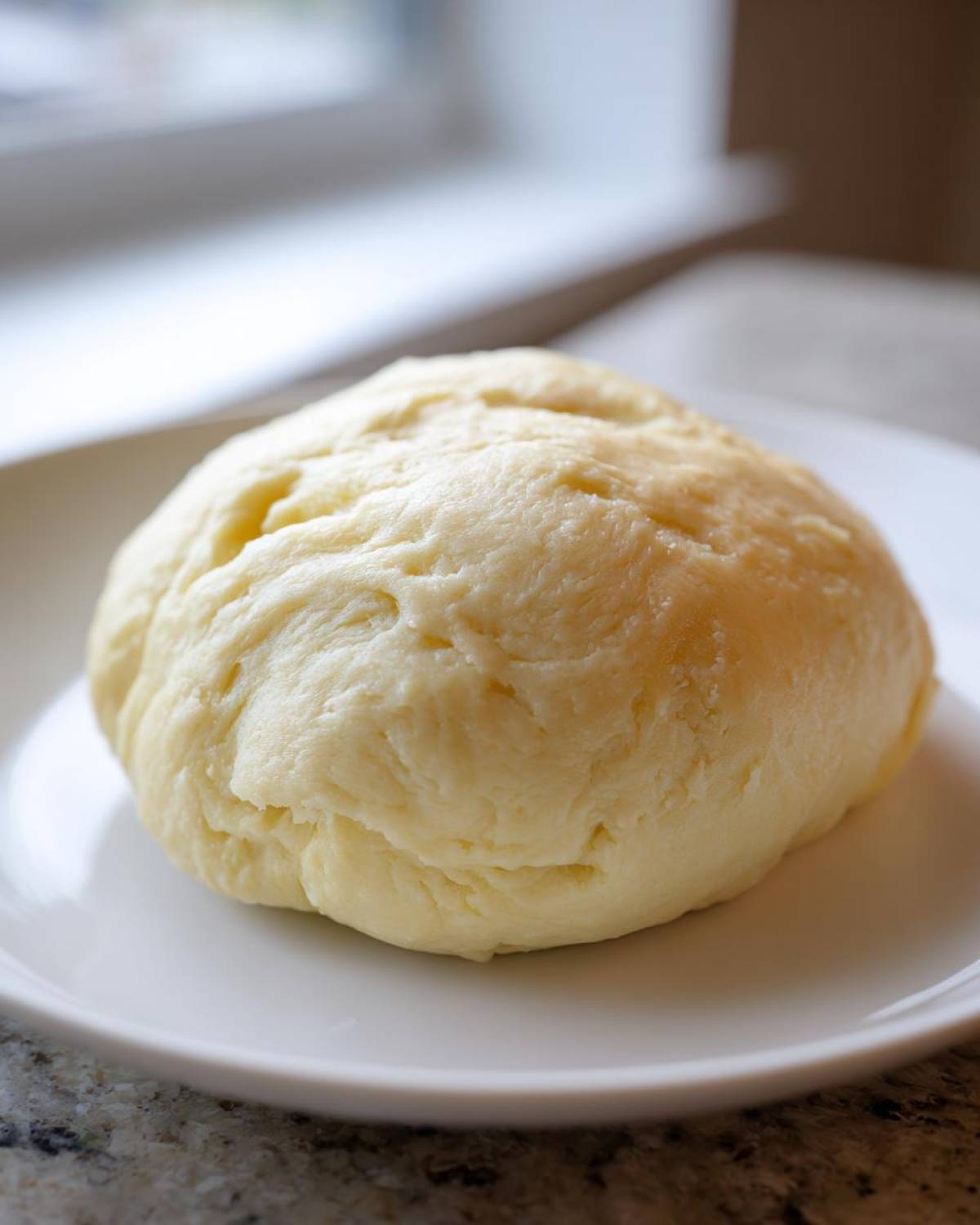
That “stretchy” feeling we are chasing means the Fufu Dough Recipe is hydrated evenly and fully cooked. If it starts sticking terribly to the bottom, lower the heat even more! We don’t want scorching; we want smooth transformation. If you feel it’s too stiff for your liking—and this is helpful advice—just splash in a tablespoon of hot water while you beat it vigorously one last time until it’s soft enough to scoop easily. Then, you’re ready to serve this fantastic staple!
Tips for Homemade Fufu Perfection
Okay, now that you’ve mastered the stirring—you haven’t given up yet, right?—let’s talk about pulling this off flawlessly every time. Achieving that smooth, perfect texture that makes people ask if you bought it from a restaurant is all about focusing on the small details. I’ve learned these lessons the hard way, so save yourself the lumpy dough!
My number one piece of advice for Homemade Fufu Perfection is: do not skip the cold water slurry step! If you think you stirred enough, stir once more. Any dry pocket of flour that hits the boiling water is going to seize up into a hard nugget you can’t dissolve later. It’s crucial that mixture is silky smooth before it hits the heat.
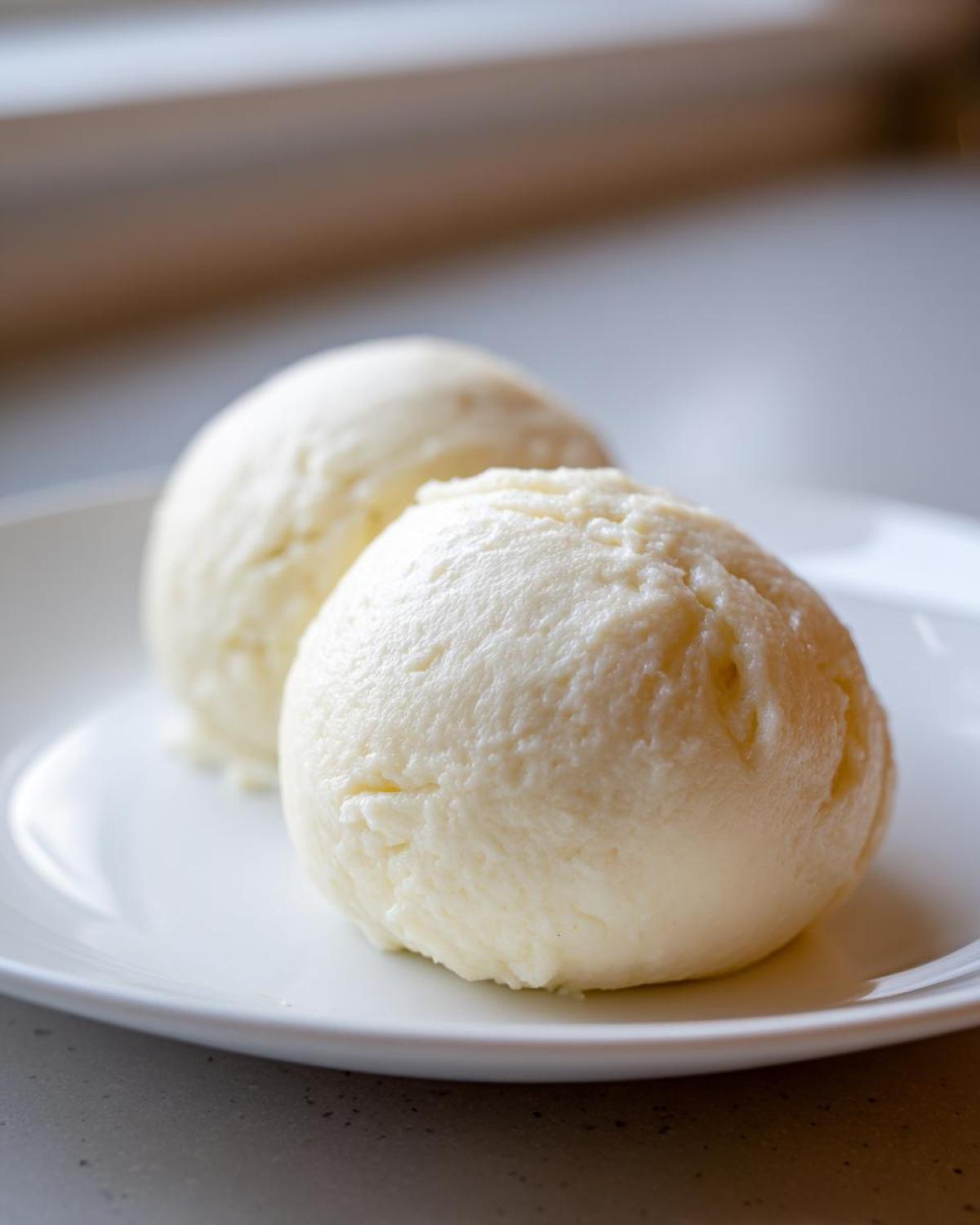
Secondly, keep that heat low when you are folding and developing the dough toward the end—that 5 to 8-minute window. If the heat is too high, the outside burns while the inside stays gummy. You want it pliable, not scorched.
Finally, and this is important: serve this immediately! Fufu doesn’t stay soft forever. As it cools, it sets up like a heavy dough. When you’re scooping your servings out to place on the plate beside your stew, dip your spoon in hot water first. That keeps the dough from sticking to your utensil, making those perfect little balls so much easier to manage. Try sharing your attempt over at our Zine archives!
Fufu Pairing Ideas: What To Eat With Fufu
Here’s the most important part of the whole fufu experience: you can’t eat it alone! That beautiful, mild dough we just worked so hard on needs a partner, usually something rich, spicy, and full of flavor. If you’re asking about Fufu Pairing Ideas, get ready, because we are diving into the best West African soups and stews that make this dish shine.
Now, if you look at what everyone searches for to serve alongside fufu, one soup reigns supreme: Egusi Soup With Fufu. It’s incredible! The creamy, nutty texture of the ground melon seeds mixed with savory spices just clings perfectly to that soft dough. You use a little piece of the fufu to scoop up the soup—that’s why they call these dishes “African Swallows.”
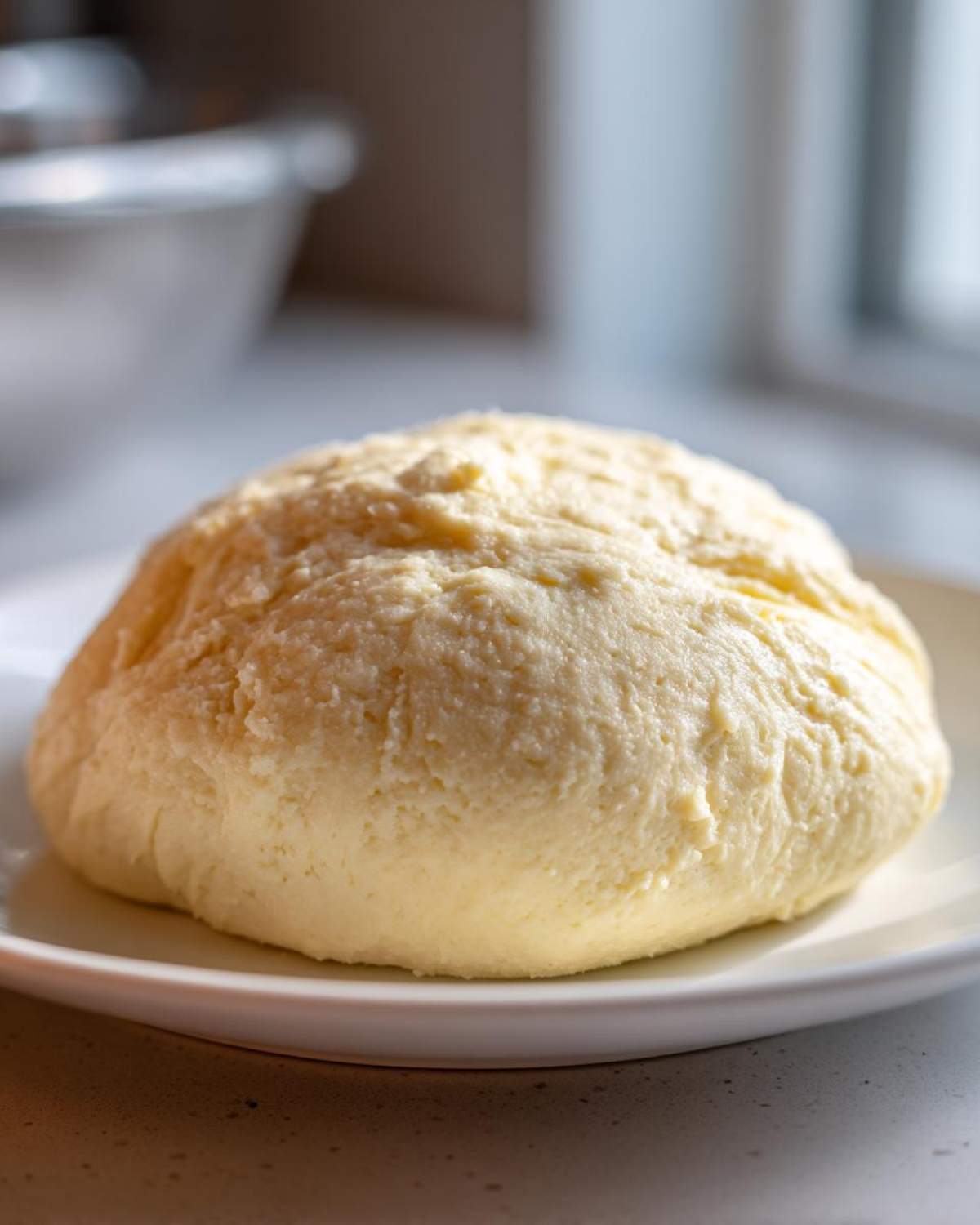
But don’t stop there! If you’re looking for other phenomenal What To Eat With Fufu options, try a hearty Peanut Soup or a really sharp, earthy Okra stew. Honestly, almost any savory West African stew works like magic. We actually made an in-depth post on mastering that Egusi pairing—you should definitely check out the guide on Egusi and Fufu to get you started on the right track! And if you want an amazing recipe for that signature soup, I found a fantastic one on Eden Plate right here.
Storage and Reheating Instructions for Leftover fufu
Okay, real talk time: what happens when you can’t finish that entire mountain of deliciousness right away? Well, just like fresh bread, leftover fufu gets a little moody overnight as it cools down. It stiffens up significantly, turning from soft and stretchy to something a little firmer. Don’t panic and don’t throw it away! That just means you need to learn how to revive it properly.
When you have leftovers, pop them into an airtight container immediately. I usually just tuck the remaining dough right into the serving container we used, maybe scraping off the very edges that might have dried out a bit.
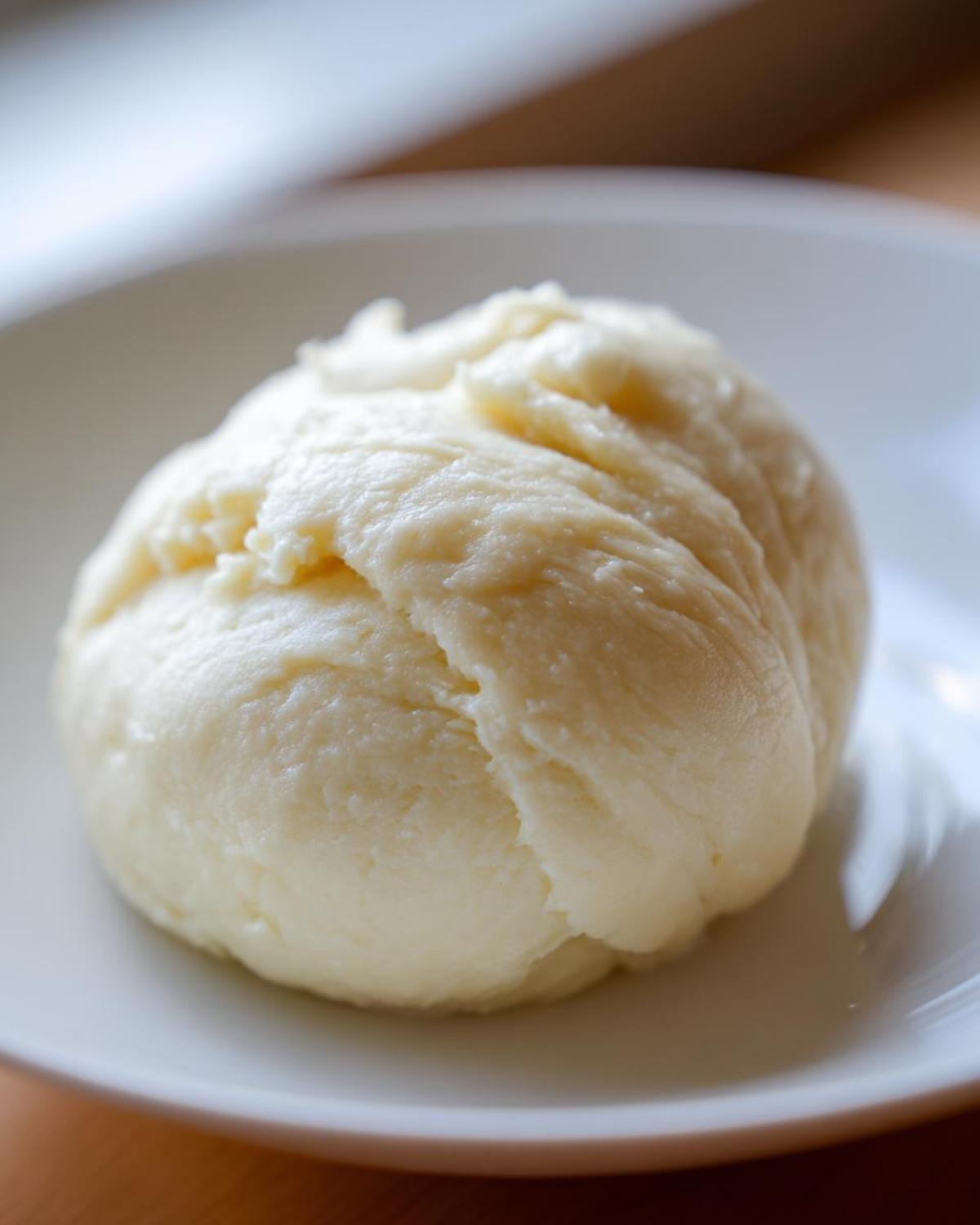
For reheating, this is the trick: you have to bring the moisture back. Place your leftover fufu back into a clean pot over very low heat. Add just a splash—maybe a teaspoon or two—of hot water right around the edges of the dough. Then, start gently stirring and folding it over itself. Keep working it until you feel that familiar pliability return. It feels like you’re kneading warm clay! It takes just a few minutes, and suddenly, it’s ready again to soak up whatever amazing soup you have waiting!
Quick Answers to Common fufu Questions (FAQ)
I bet you have a few sneaky little questions rattling around now that you’ve seen how easy this dough comes together! It’s totally normal. When I started exploring Traditional African Food like this, I felt like I was missing half the instructions. Eva always jokes that I ask more questions than the readers, but that’s how we learn, right? Here are the things I always wondered about when I was trying to get my soft, smooth fufu just right.
Is Cassava Fufu Recipe naturally Gluten Free?
Yes, for this specific recipe, it absolutely is! Because we rely on Cassava or Yam Flour, which are root starches, this is a fantastic gluten-free substitute staple. It makes it approachable for so many people who can’t handle wheat. If you look into other types of African Swallows, like Semolina-based ones, they won’t be gluten-free, but this Cassava Fufu Recipe is inherently clear. You can explore some of the discussions about traditional African staples by checking out this reference by Low Carb Africa here.
What is the best way to serve this Traditional African Food?
This is my favorite part to explain to newcomers! Remember, this isn’t rice or potatoes; you don’t eat it with a fork and knife! The best way to serve this Traditional African Food is hot, molded into little smooth balls on the side of your bowl of soup or stew. You pinch off a small piece—just enough for one bite—use your fingers to form a tiny little scoop, and then use that scoop to dip deeply into your soup, like a handheld spoon. It’s messy, it’s authentic, and it’s the only way to truly enjoy it!
Also, if you’re wondering about instant flour versus the regular kind, generally, the instant stuff (often labeled as ‘instant fufu’ or ‘poundo yam’) is slightly pre-cooked, so it thickens even faster. If you use it, be ready to stir *immediately* and reduce the heat even quicker than I mentioned in the main instructions!
Estimated Nutritional Snapshot for this fufu Recipe
While we are definitely focused more on the story and the texture around here at Flavor Zine, I know some of you are curious about the numbers! Keep in mind these are just estimates based on standard measurements for a serving of this fufu dough recipe. Since it’s mostly starch and water, it’s pretty clean eating unless you load it up with a very rich stew!
- Calories: Around 180 per serving ball
- Carbohydrates: Heavily stacked at about 40g
- Protein: Low, around 2g
- Fat: Very minimal, less than 1g
So, it’s certainly the hearty carbohydrate base that carries your flavorful West African meal, not the main source of your protein. Enjoy it guilt-free!
Share Your Homemade fufu Creations
Well, that’s it, friends! You’ve officially made it through the entire lesson on mastering smooth, soft fufu dough using the easy stovetop method. I hope this recipe gives you confidence to bring this incredible, comforting food into your own kitchen. Please, don’t be shy! If you try this, drop a comment below and let me know how it went—tell me if you paired it with Egusi or something else entirely! We love hearing about your kitchen adventures. If you have any last-minute questions that I missed, send a note over via our Contact page. Happy cooking!
PrintEasy, Smooth West African Fufu Recipe for Beginners

Learn how to make soft, stretchy fufu dough quickly at home. This beginner-friendly recipe uses a simple stirring method to achieve restaurant-quality texture, perfect for pairing with your favorite African soups and stews like Egusi Soup.
- Prep Time: 5 min
- Cook Time: 10 min
- Total Time: 15 min
- Yield: 4 servings
- Category: Side Dish
- Method: Stovetop Cooking
- Cuisine: West African
- Diet: Vegetarian
Ingredients
- 2 cups Fufu Flour (Cassava or Yam Flour)
- 4 cups Water (divided)
- 1/4 teaspoon Salt (optional)
Instructions
- Place 3 cups of water into a medium saucepan and bring it to a boil over medium-high heat.
- In a separate bowl, mix the fufu flour with the remaining 1 cup of cold water until you create a smooth, thin slurry with no lumps.
- Once the water in the saucepan is boiling, slowly pour the fufu slurry into the boiling water while stirring constantly with a wooden spoon or sturdy whisk.
- Continue stirring vigorously as the mixture thickens rapidly. It will transform into a thick paste.
- Reduce the heat to low. Continue stirring and folding the dough against the sides of the pot for about 5 to 8 minutes. You are aiming for a smooth, pliable, and stretchy dough consistency.
- If the dough seems too stiff, add a tablespoon of hot water at a time while continuing to stir until you reach your desired softness. Add salt now if you are using it.
- Remove from heat. Use a spoon dipped in hot water to scoop the fufu into smooth balls.
- Serve immediately with your preferred West African soup or stew.
Notes
- For the smoothest texture, ensure your initial slurry has absolutely no lumps before adding it to the hot water.
- This quick method avoids the traditional pounding process, making it ideal for a beginner fufu recipe.
- Fufu is traditionally eaten with your hands; use a small piece of the dough to scoop up the soup.
- This dough pairs perfectly with Egusi Soup or Peanut Soup for an authentic African meal.
Nutrition
- Serving Size: 1 ball
- Calories: 180
- Sugar: 0.5
- Sodium: 5
- Fat: 0.2
- Saturated Fat: 0.1
- Unsaturated Fat: 0.1
- Trans Fat: 0
- Carbohydrates: 40
- Fiber: 2
- Protein: 2
- Cholesterol: 0