

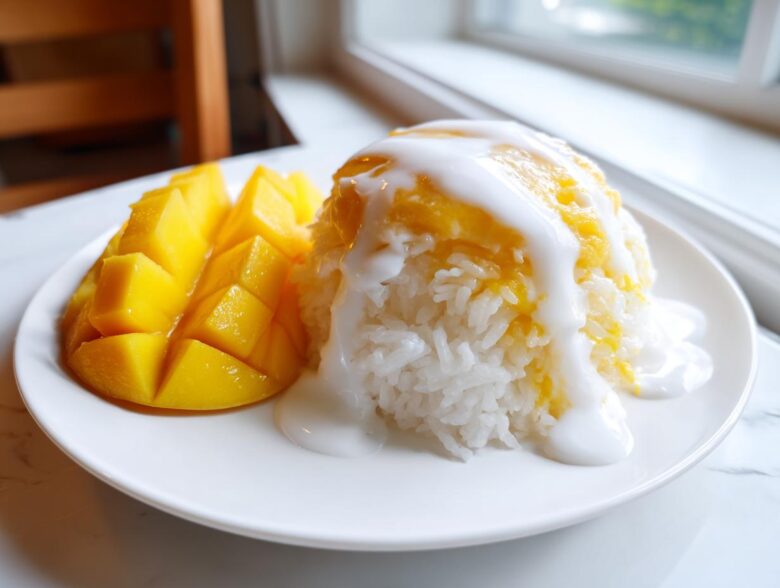
There’s just something about a dessert that tastes like pure sunshine, isn’t there? When the weather gets warm, my fingers are already twitching to make something gloriously tropical. And honestly, nothing beats the real deal when it comes to classic Thai flavors. That’s why I’m so excited to finally publish my version of mango sticky rice, or *Khao Niew Mamuang*. This dessert is the definition of comforting perfection, and while folks think it’s hard to get right, trust me, after capturing this authentic flavor profile here, you’ll see it’s totally doable. This is one of my favorite issues of Flavor Zine because it feels like bringing a vacation right to your own table. You can read a bit more about our story over on the About Us page!
Why This Authentic Thai Dessert Recipe for Mango Sticky Rice Works
When I first tried making an Asian dessert at home, I was totally intimidated! But this Thai dessert recipe changed everything. It is truly one of the easiest, most satisfying comforting dessert recipes you can tackle. It relies on simple ratios, not fussy chemistry. Wow, does this mango sticky rice deliver that perfect coastal vibe!
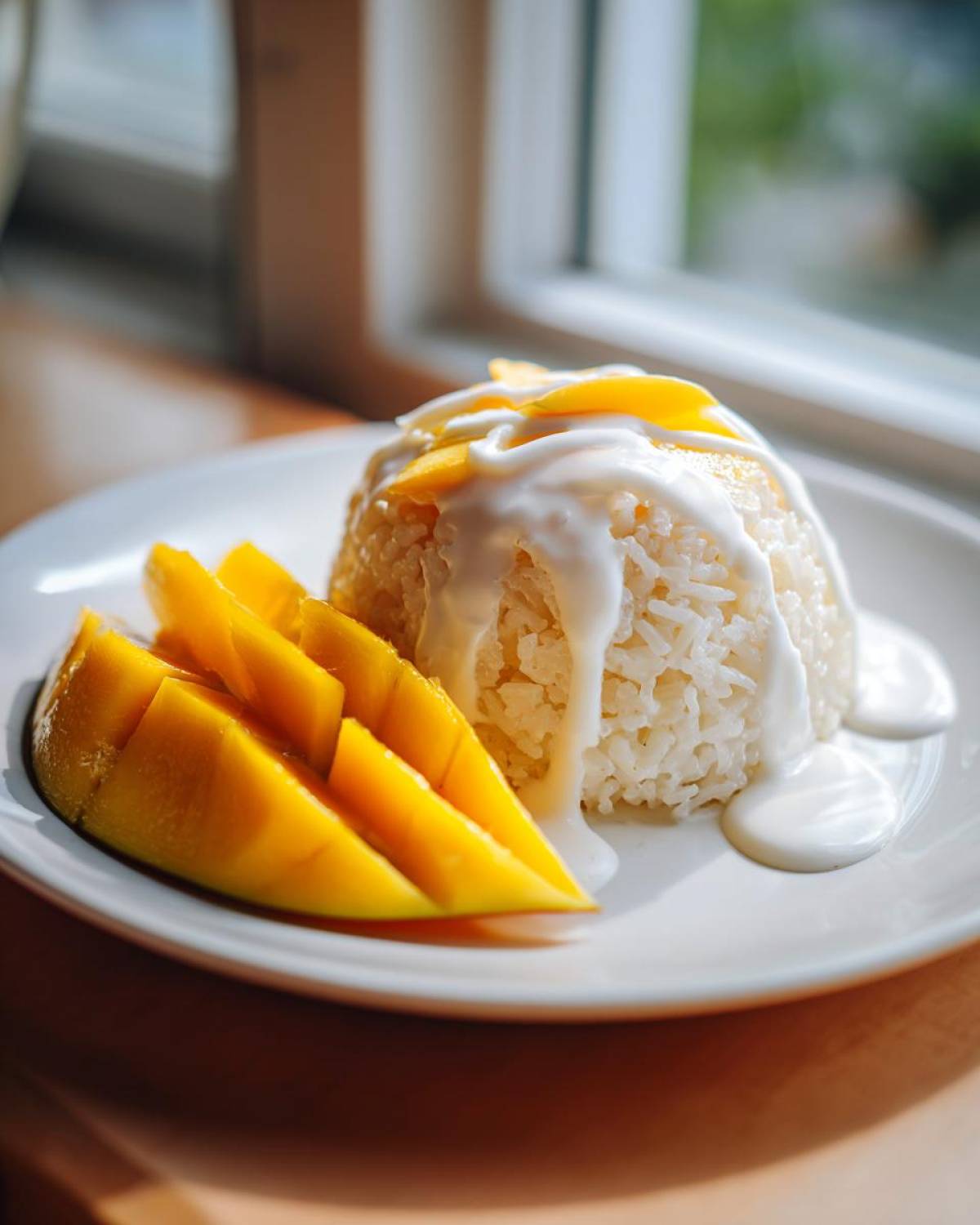
Simple Steps for Perfect Mango Sticky Rice
Seriously, don’t let pictures of gorgeous street food scare you off. We are keeping the process super straightforward. Mateo and I focused on making the steps clean so you get that wonderfully creamy result without needing ten different specialized tools. Just a little patience!
Dietary Flexibility: Vegan Sticky Rice Recipe and Gluten Free Mango Dessert
This is a huge bonus about this classic dish: it’s naturally suited for lots of folks! This sweet sticky rice dessert is completely gluten free mango dessert friendly. Plus, because we only use coconut milk and fruit, it is naturally established as a reliable vegan sticky rice recipe. No weird substitutes needed, ever.
Gathering Ingredients for Your Mango Sticky Rice
Okay, gathering the ingredients is where we make sure this mango sticky rice *tastes* authentic. Don’t skimp here, especially on the fat content! We need that rich, velvety flavor that only full-fat coconut milk can give us. When you look at the list, remember you’re making two separate sauces, so we divide the sugar and milk. We definitely want ripe mangoes—truly ripe ones that practically melt in your hand. That sweetness is key here!
Choosing the Best Sticky Rice for Dessert
This is non-negotiable, friends! You absolutely must find glutinous rice, which is sometimes called sweet rice. Regular short-grain rice just won’t do the trick; it turns mushy instead of chewy and sticky. I try to track down the *Nam Dok Mai* or *Honey* varieties if I can find them at our local Asian market because they have the best texture when cooked. If you ever struggle with getting rice perfectly prepared, check out some general tips over on the Flavor Zine blog for general cooking methods!
Here is exactly what you need for four servings:
- 1 cup glutinous rice (sticky rice)
- 1 cup full-fat coconut milk, divided
- 3/4 cup granulated sugar, divided
- 1/4 teaspoon salt, divided
- 2 large ripe mangoes (Nam Dok Mai or Honey variety preferred)
- 1 tablespoon toasted sesame seeds or mung beans for garnish (optional)
How to Prepare Authentic Mango Sticky Rice Using a Rice Cooker
Okay, this is where the magic really happens in our mango sticky rice process! I know you wanted the easy route, and using the rice cooker for this coconut milk rice dessert is absolutely the way to go—it makes cooking the rice so hands-off. We’re going to walk through the soaking, the cooking, and creating that luscious, creamy coconut sauce. This whole process moves pretty fast once the rice is soaked. If you want a quick refresher on quick morning recipes, check out my Easy French Toast recipe!
Preparing the Glutinous Rice for Mango Sticky Rice
First things first: rinsing! You need to rinse that glutinous rice under cold water until the water runs totally clear. We’re talking no cloudiness left! Then, you have to soak it for at least four hours, but honestly, overnight gives you the best payoff in chewiness. Drain it real well after soaking. Now for the rice cooker: put the drained rice in the pot and add 1 cup of plain water. Cook it on the regular white rice setting. Simple, right? Don’t worry about perfectly steaming it!
Making the Creamy Coconut Sauce for Rice Dessert
While the rice is getting happy in the cooker, let’s make the sweet bath. You need to split your coconut milk, sugar, and salt into two batches. For the first batch (the soaking sauce), warm up 3/4 cup milk, a little over half the sugar, and a tiny pinch of salt in a saucepan. Stir it gently over low heat until the sugar melts—and I mean *melts*, don’t let it boil or you’ll ruin that creamy texture! Set that aside.
Combining and Resting the Sweet Sticky Rice Dessert
As soon as the rice cooker dings, scoop that hot, steamy rice into a bowl. Now, drizzle half of that sweet coconut sauce right over the top and gently fold it in. This is the most important part for texture: cover the bowl and just let it sit there for about 15 to 20 minutes. That time allows the rice to fully absorb all that creamy goodness, making this sweet sticky rice dessert absolutely heavenly.
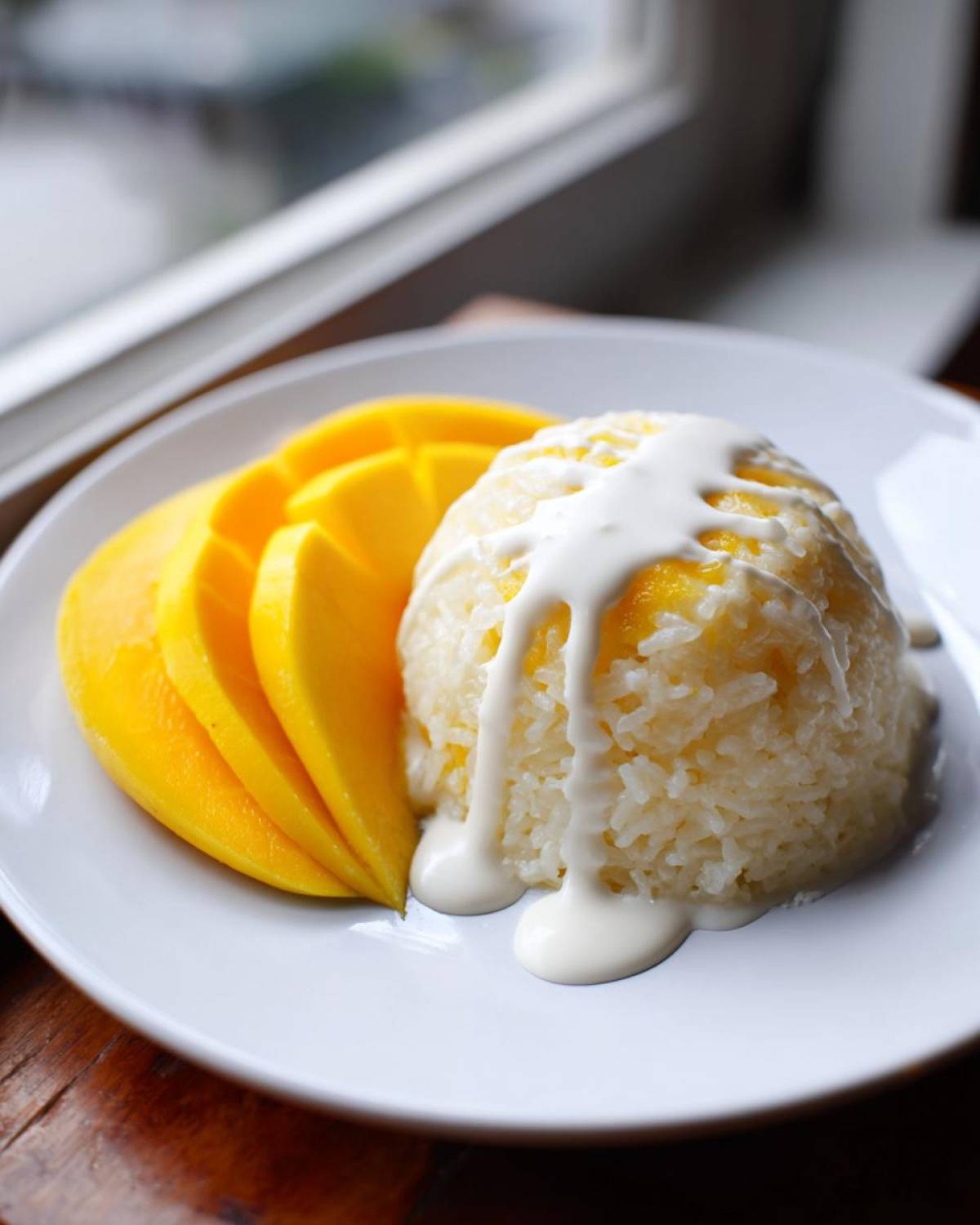
Tips for Perfect Mango Sticky Rice Every Time
Now that you’ve mastered the basic steps for this wonderful mango sticky rice, let’s talk about tweaking it, because every kitchen is a little different, right? Mateo always asks for less sugar, and I totally get it—we want to taste that beautiful fruit! Don’t worry; making great ripe mango recipes doesn’t mean pouring on the sugar shaker. These little secrets are what turn a good batch into the best batch, especially when dealing with that fantastic creamy coconut sauce for rice.
You can check out another great recipe idea over at Recipes by Evelyn if you want more inspiration!
Adjusting Sweetness in Your Mango Sticky Rice
The recipe calls for a good amount of sugar because soaking the rice requires it to pull flavor in, but it’s totally adaptable. If you prefer a less sweet profile for your tropical fruit dessert, just pull back a bit in both the soaking sauce and the final topping sauce. I usually reduce the total sugar by about two tablespoons across both mixtures. Since the mangoes are naturally sweet when perfectly ripe, you won’t miss that extra sweetness at all. Taste as you go, that’s my golden rule!
Serving Suggestions for This Tropical Fruit Dessert
Alright, the rice is soaked, the mangoes are screamingly ripe, and your kitchen probably smells like paradise—it’s time for assembly! Serving this tropical fruit dessert right away is essential, though. I’ve found that the contrast between the warm, creamy, sweet sticky rice and the cool, fresh mango slices is what makes this dish truly sing. Don’t let it sit around getting cold; you want that textural pop!
To plate, put a generous scoop of your sweetened sticky rice—it should look glossy and slightly gooey—onto your favorite small bowl or plate. Arrange those beautiful, fan-sliced mango cheeks right next to it. Then comes the fun part, the drizzle! Take that reserved topping sauce—the second batch we made—and lightly stream it across the rice and mango. Mateo always jokes that the sauce is the finishing brush stroke.
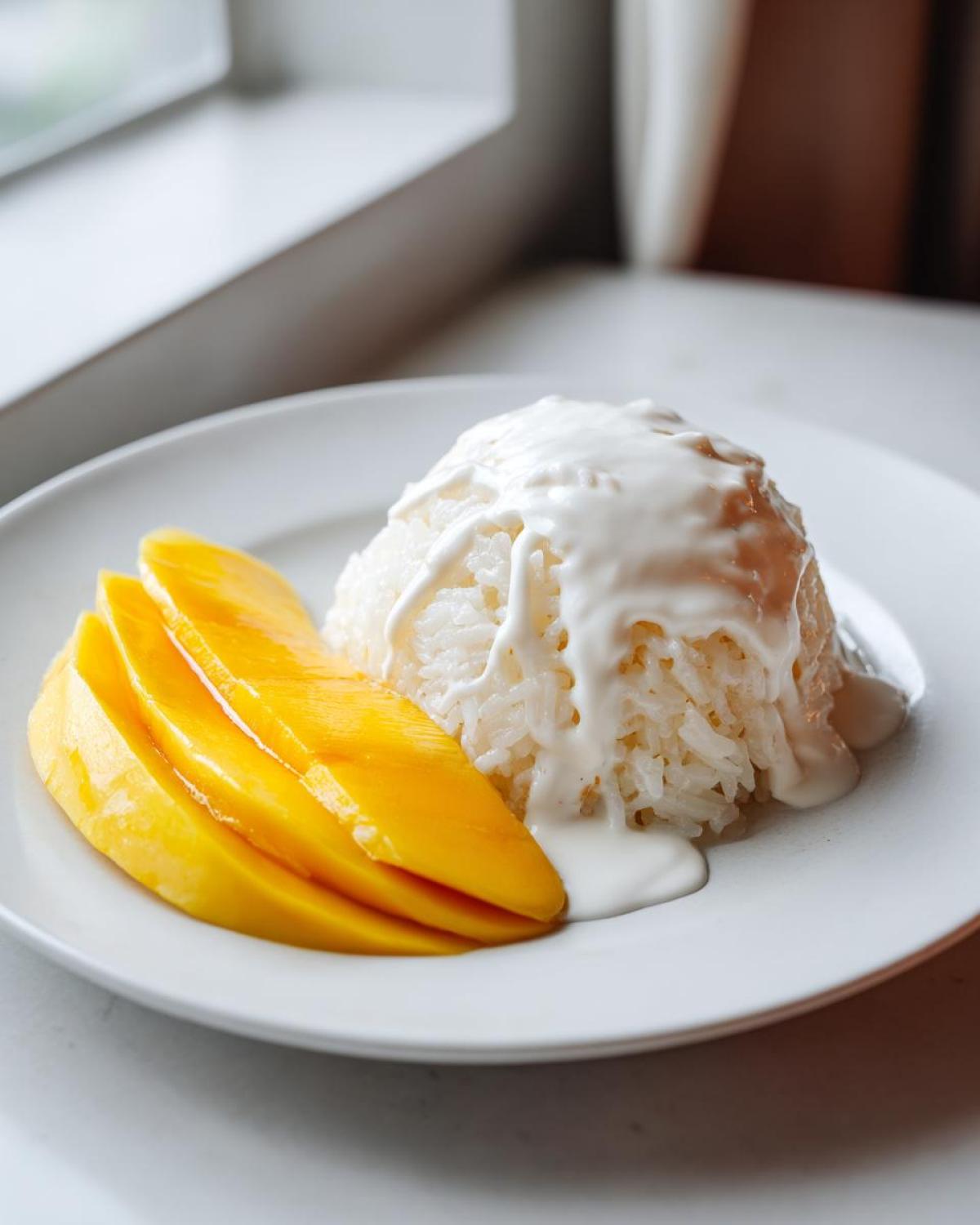
And hey, don’t forget the crunch! This is totally optional, but I highly recommend sprinkling those toasted sesame seeds over everything for a nutty little surprise. If you want something a little more traditional, toasted mung beans are fantastic too. If you’re making something savory to go alongside, like some fantastic skewers, check out my Chicken Satay recipe!
Storage and Reheating Instructions for Coconut Milk Rice Dessert
So, you made the most amazing batch of mango sticky rice and, shocker, you have leftovers! That happens, though I usually try to prevent it because this comfortable dessert recipe is best fresh. Here’s the thing you need to know: the texture of your sweet sticky rice is going to change once it chills out in the fridge. That gorgeous creamy absorption we worked so hard for stiffens up a bit once it hits those low temperatures. Don’t panic, though! It definitely doesn’t mean it’s ruined.
First, you must separate your components if you plan on keeping this coconut milk rice dessert for more than a day. The mangoes? Eat those fresh or slice them up and keep them in an airtight container in the fridge—they won’t last long anyway! The leftover rice and the reserved topping sauce should go into separate, tightly sealed containers.
When you’re ready for round two, we need to bring some moisture back into that rice. Microwaving is fast, I know, but it tends to make the rice tough or unevenly hot. My favorite trick for this is to gently steam the leftover sticky rice for just a few minutes. If you don’t have a steamer basket, you can put the rice in a heatproof bowl, cover it tightly with plastic wrap (leaving a tiny vent), and microwave it for 30-second bursts, stirring well in between, until it’s soft again. You might need to drizzle a tiny splash of water or extra coconut milk on it while reheating to help revive that moisture.
Then, just gently warm up that reserved creamy coconut sauce on the stove—again, don’t boil it! Combine your freshly softened rice, warm sauce, and a fresh slice of mango. It’ll taste almost as good as the first time, I promise!
Frequently Asked Questions About Khao Niew Mamuang
I always get a ton of questions whenever I post photos of this Khao Niew Mamuang! It’s one of those dishes that people love to make but worry they’ll mess up the texture, which is totally understandable. We tried about ten different versions before settling on this one—the one that finally felt right, balanced, and truly worthy of being published in our zine. Here are some things I hear most often when people are trying this amazing sweet sticky rice dessert.
Can I substitute regular rice for sticky rice in mango sticky rice?
Oh, this is the big one! And honestly, if you want that authentic, slightly chewy, stretchy texture that makes mango sticky rice so beloved, the answer is a firm no. You absolutely must use glutinous rice, which is often labeled as sticky rice or sweet rice. Regular medium or long-grain rice just doesn’t have the right starch composition. It will absorb the coconut milk, sure, but it will turn into something closer to soggy porridge than that perfect Thai texture. Stick to the glutinous grain for this one!
What is the best way to store leftover mango sticky rice?
As I mentioned before, this dessert really prefers to be eaten right away, but if you have leftovers, you have to be a little strategic. If you’re keeping it for just a day, you can store the rice and the topping sauce together in an airtight container in the fridge. But here’s the key for the freshest flavor: separate the mango slices! Mangoes release water quickly, and they’ll turn your beautiful creamy coconut sauce for rice watery and sad if you leave them mixed in overnight. Reheat the rice as I described above, and top with *freshly sliced* mango right before you eat it.
Is this recipe for mango sticky rice truly authentic?
Mateo and I went through so much trial and error to nail the ratios that tasted like the street vendors we’ve enjoyed over the years! Yes, I feel very confident calling this recipe authentic Thai sweets territory. The authenticity comes from that careful balance: the richness of the full-fat coconut milk, the specific ratio of sugar to rice, and most importantly, that soaking step where the rice really drinks up the syrup. We aren’t adding strange flavorings; we are focusing on the core quality ingredients that make this easy Asian dessert shine. If you’re looking for more tips on getting those classic Thai flavors right, check out my notes on the best chocolate chip cookie recipe—it’s all about the technique!
Nutritional Estimates for This Sweet Sticky Rice Dessert
Okay, as the Editor-in-Chief, I have to be responsible, right? While no one is making mango sticky rice because they’re counting calories—it’s a treat, after all!—I know some of you are curious about what exactly goes into this wonderful tropical fruit dessert. So, I put together the general estimates based on using the full measurements of coconut milk and sugar in the recipe.
Remember this crucial caveat: these numbers are just estimates! Mateo and I taste-tested a lot, which means our sugar ratios might be slightly different than what’s listed here sometimes. Also, the exact fat content of your coconut milk or how sweet your mangoes are will change things for your own version of this sweet sticky rice dessert.
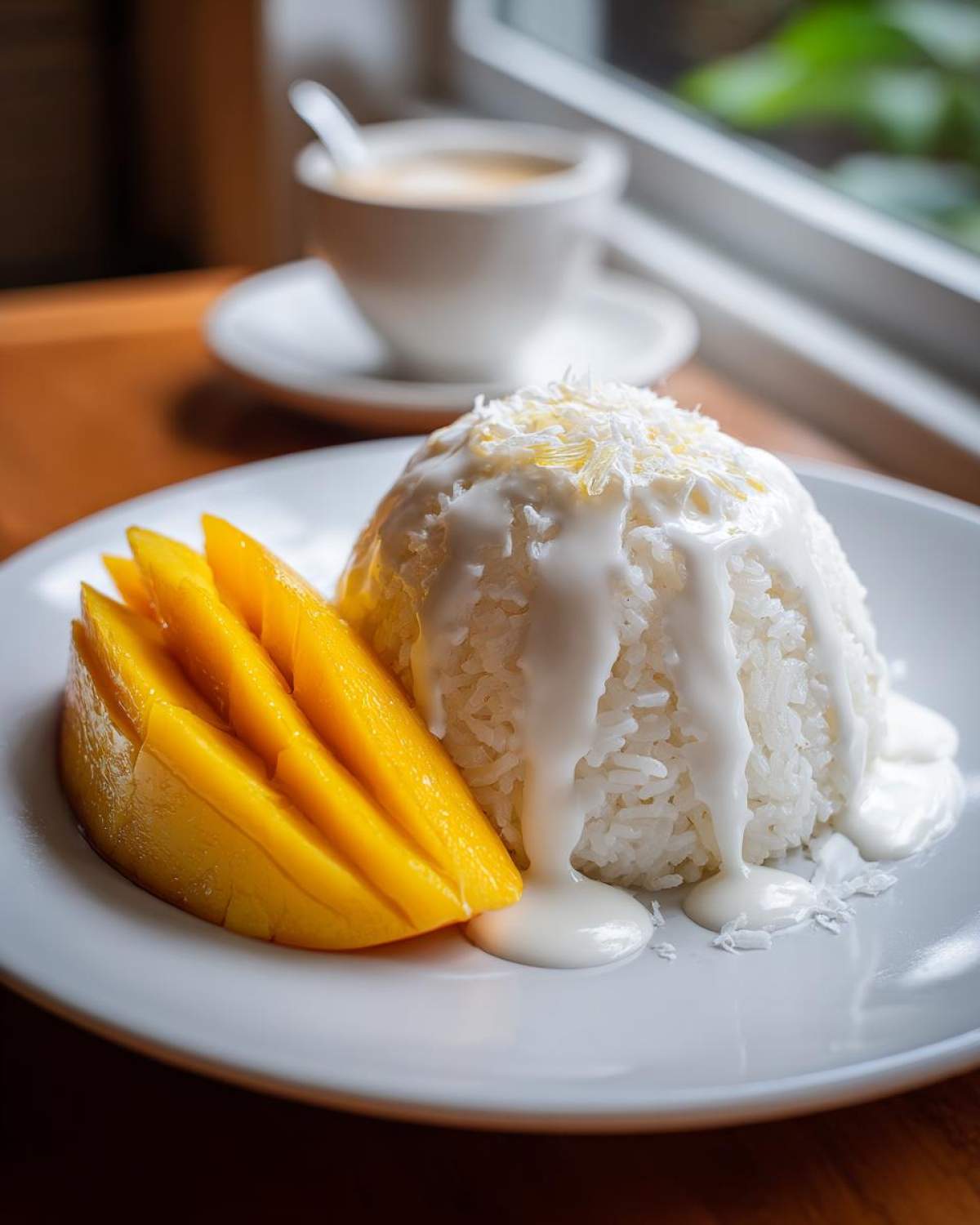
Here’s what you can generally expect per serving (we based this on yielding 4 generous servings):
- Calories: 450
- Fat: 18g (of which Saturated Fat is about 15g—that’s the coconut milk doing heavy lifting!)
- Carbohydrates: 70g
- Protein: 5g
- Sugar: 35g
- Sodium: 150mg
- Fiber: 3g
Since this dessert is naturally vegan and uses no flour, it is wonderfully gluten free, perfect for anyone looking for that type of option! It’s rich, it’s comforting, and it brings all those warm, sweet tropical vibes we love. Enjoy it responsibly—or don’t, you only live once, right?
Share Your Flavor Zine Issue of Mango Sticky Rice
Alright, folks, that wraps up our journey into creamy, dreamy mango sticky rice! This, my friends, is what Flavor Zine is all about: taking a classic, capturing the very best of its flavor, and sharing the slightly messy, totally authentic process with you. I hope you loved learning how to make this incredible Thai dessert recipe right in your own kitchen.
Now for the fun part—I want to see your creations! Did you find the perfect ripe mangoes? Did your rice come out chewy and beautifully saturated with the coconut sauce? Please, please, please leave a rating and a comment below telling me how it went. Mateo and I check the notes constantly because we love hearing your successes (and maybe giggling about the small, inevitable kitchen disasters that happen along the way).
When you post photos on social media, tag us! We want to see your finished “issues.” Seeing your gorgeous plating of this sweet sticky rice dessert makes all the testing and writing worth it. If you have any lingering questions after trying this, don’t hesitate to reach out via the Contact page!
Happy publishing, and enjoy every bite of this tropical perfection!
PrintEasy & Authentic Thai Mango Sticky Rice (Khao Niew Mamuang)
Make this classic Thai dessert at home. You get sweet sticky rice, ripe mango, and a creamy coconut sauce. This recipe is easy and perfect for a comforting tropical treat.
- Prep Time: 20 min
- Cook Time: 35 min
- Total Time: 55 min
- Yield: 4 servings
- Category: Dessert
- Method: Steaming/Rice Cooker
- Cuisine: Thai
- Diet: Vegan
Ingredients
- 1 cup glutinous rice (sticky rice)
- 1 cup full-fat coconut milk, divided
- 3/4 cup granulated sugar, divided
- 1/4 teaspoon salt, divided
- 2 large ripe mangoes (Nam Dok Mai or Honey variety preferred)
- 1 tablespoon toasted sesame seeds or mung beans for garnish (optional)
Instructions
- Rinse the glutinous rice thoroughly under cold water until the water runs clear. Soak the rice in water for at least 4 hours, or preferably overnight. Drain the soaked rice well.
- Cook the sticky rice. If using a rice cooker, place the drained rice in the cooker pot and add 1 cup of water. Cook using the standard white rice setting. If steaming, steam the rice until tender, about 30 minutes.
- While the rice cooks, prepare the sweet coconut sauce. In a small saucepan, combine 3/4 cup of the coconut milk, 1/2 cup of the sugar, and 1/8 teaspoon of the salt. Heat over medium-low heat, stirring until the sugar dissolves completely. Do not boil. Remove from heat.
- Once the rice is cooked, transfer the hot sticky rice to a bowl. Pour half of the prepared sweet coconut sauce over the rice. Stir gently to combine, cover the bowl, and let it sit for 15 to 20 minutes so the rice absorbs the liquid.
- Prepare the topping sauce. In a separate small saucepan, combine the remaining 1/4 cup coconut milk, the remaining 1/4 cup sugar, and the remaining 1/8 teaspoon salt. Heat gently until the sugar dissolves. Set aside.
- Peel and slice the ripe mangoes.
- To serve, place a portion of the sweetened sticky rice on a plate. Arrange the sliced mango next to the rice. Drizzle the reserved topping sauce over the rice and mango. Sprinkle with toasted sesame seeds or mung beans, if using. Serve immediately.
Notes
- For a rice cooker sticky rice method, after soaking, use a 1:1 ratio of rice to water (1 cup rice to 1 cup water) and cook as you would regular rice.
- If you prefer a less sweet dessert, reduce the sugar in both the soaking sauce and the topping sauce by 1 to 2 tablespoons total.
- This recipe is naturally gluten free. Since it uses only coconut milk, it is also a vegan sticky rice recipe.
Nutrition
- Serving Size: 1 serving
- Calories: 450
- Sugar: 35
- Sodium: 150
- Fat: 18
- Saturated Fat: 15
- Unsaturated Fat: 3
- Trans Fat: 0
- Carbohydrates: 70
- Fiber: 3
- Protein: 5
- Cholesterol: 0