

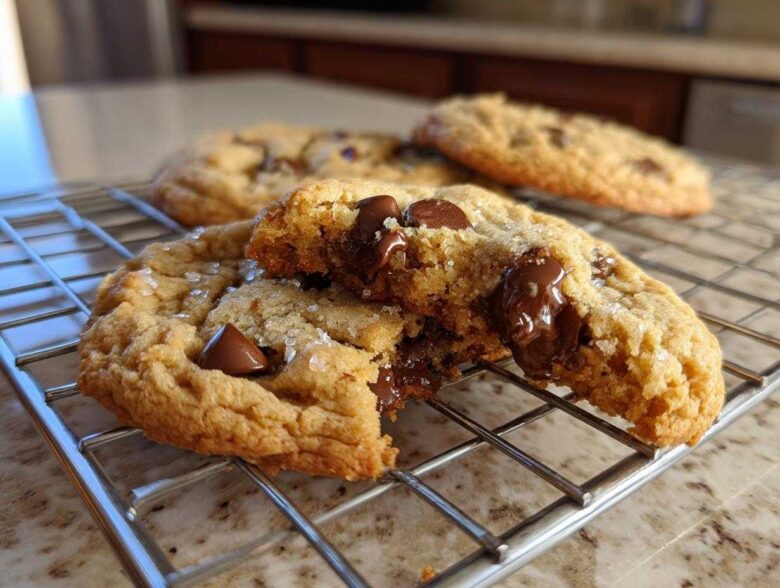
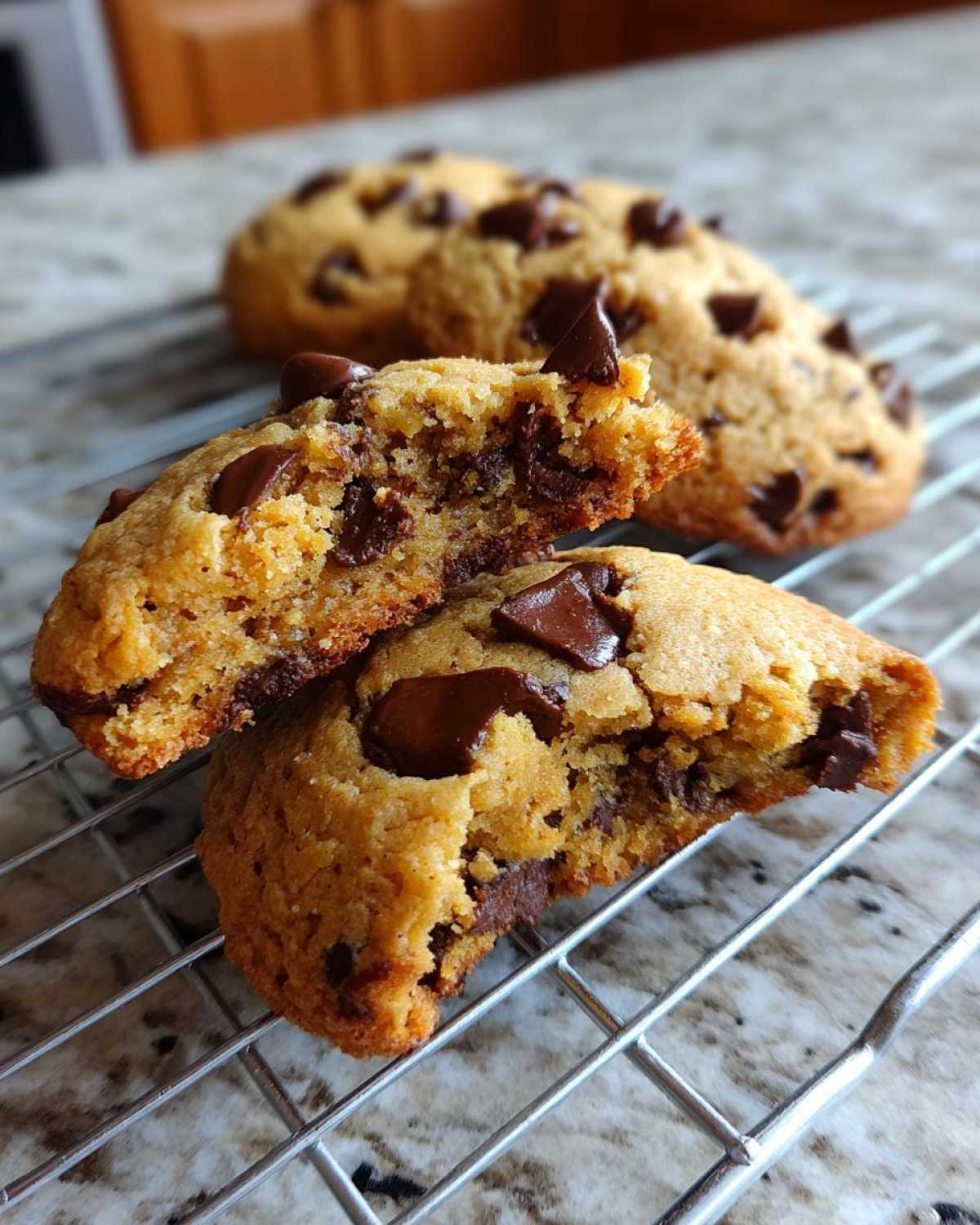
If you’ve ever walked into one of those big-name bakeries and wondered how they get that perfect texture—soft in the middle, just slightly golden on the edges—you know the quest. We’ve spent years in the kitchen chasing that exact feeling. Forget those flat, crispy mistakes you made in high school! This isn’t just another chocolate chip cookie recipe; this is my definitive formula for the chewy chocolate chip cookies you dream about. Eva and I landed on this specific ratio of fat to sugar after at least a dozen failed (but delicious) attempts. We finally nailed the exact balance that guarantees that bakery-style result, consistently, every single time you bake.
Why This Recipe Delivers the Ultimate Chewy Chocolate Chip Cookies
Okay, let’s talk about why these are the best chewy cookies you are ever going to make. It really comes down to controlling moisture and air. We aren’t just throwing things in a bowl; we’re creating a scientifically perfect dough for that amazing gooey center cookies situation. Our method focuses on three main things: the sugar blend, the butter consistency, and pulling them out *just* before they look done. Trust me, these little details separate a good cookie from a legendary one.
The Role of Brown Sugar in Chewy Chocolate Chip Cookies
This is non-negotiable for chewiness! White sugar makes cookies crisp up because it’s pure sucrose. Brown sugar, though, has molasses in it. Molasses is hygroscopic, which is just a fancy way of saying it loves holding onto water. So, when we use a higher ratio of light brown sugar here than granulated sugar, we are essentially forcing the cookies to stay moist and soft long after they cool down. That’s the secret sauce for our signature look in these chewy chocolate chip cookies.
Achieving Bakery Style Chocolate Chip Cookies Texture
You can’t just mix the sugar and butter until they are acquainted; they need a serious, vigorous marriage! We cream the butter and sugars until they are genuinely light and fluffy—that takes a good three minutes. That creaming whips tiny air pockets into the fat, which helps give the cookie structure without making it cakey. Also, please, please use room temperature eggs. Cold eggs deflate all that wonderful air you just worked so hard to whip in! That careful creaming step is what separates these soft baked chocolate chip cookies recipe results from anything you baked last Tuesday.
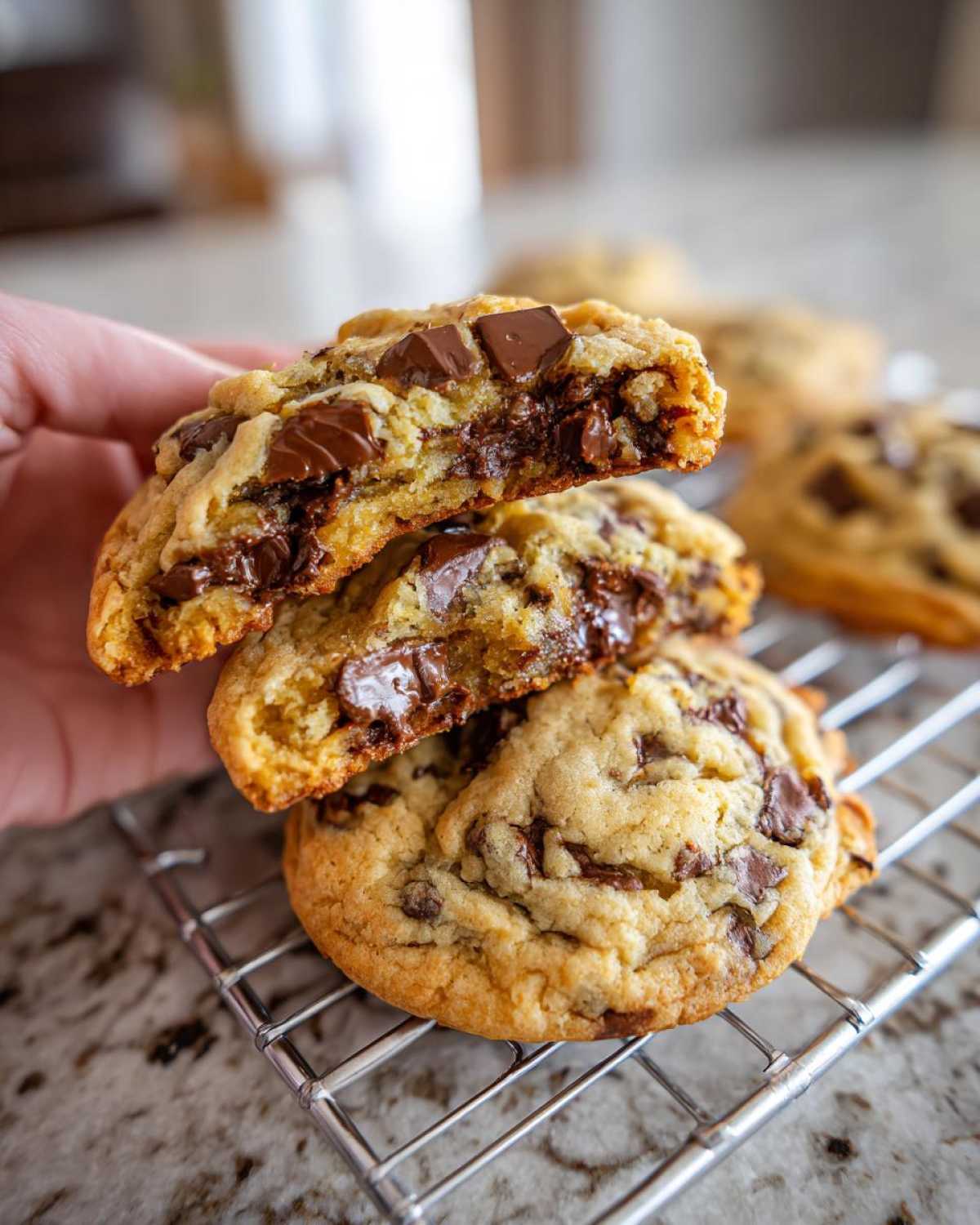
Gathering Ingredients for Perfect Chewy Chocolate Chip Cookies
Okay, friend, this is where we get down to business. You can’t make the best chewy cookies without treating your ingredients right before they meet the bowl. I’m listing everything out below, but honestly, the preparation is half the battle here. Don’t eyeball anything! Because we are aiming for that bakery-style perfection, precision matters.
- 1 cup (2 sticks) unsalted butter, softened—and I mean softened, not greasy looking!
- 1 cup packed light brown sugar
- 1/2 cup granulated sugar
- 2 large eggs, room temperature—this is important, don’t skip it!
- 1 tablespoon vanilla extract
- 2 1/4 cups all-purpose flour
- 1 teaspoon baking soda
- 1/2 teaspoon salt
- 2 cups semi-sweet chocolate chips
Ingredient Clarity and Preparation Notes
Listen, the texture of your final product starts right here on the counter, before any mixing happens. If your ingredients are fighting you, your cookies will too. For the love of all things delicious, please make sure you respect the butter and the eggs here.
First, the butter. It needs to be softened, which for me means I can gently press my finger into it and leave a dent, but it shouldn’t look shiny or melted at all. If it’s melted, you’re making shortbread, not chewy cookies! Second, the brown sugar. You absolutely must pack it into the measuring cup firmly. If you just scoop it lightly, you won’t have enough molasses, and that sabotages our entire chewiness mission.
Finally, the eggs: room temperature is a must for proper emulsification when we cream them with that sugar mixture later. If you forget to take them out? Try placing them in a bowl of warm (not hot!) water for about five minutes. A quick warm-up does the trick, and then they’re ready to help us create those beautiful, gooey center cookies.
Step-by-Step Instructions for Soft Baked Chocolate Chip Cookies Recipe
Alright, let’s tackle the mixing process! We are aiming for quick perfection today—remember, this whole process is super fast if you’re ready to go. First things first: turn that oven on! We need it humming at 375 degrees Fahrenheit right now. Make sure you’ve got parchment paper on your baking sheets because nobody wants to deal with scrubbing stuck sugar later. Now that the stage is set, let’s bring our ingredients together to create the ultimate chewy chocolate chip cookies.
Mixing the Wet Ingredients for Chewy Chocolate Chip Cookies
Grab that big bowl we talked about earlier. We are creaming the softened butter, light brown sugar, and granulated sugar together first. You need to beat this mixture until it gets genuinely light and fluffy—don’t rush this part! I always set my timer, and it usually takes a genuine three minutes of beating to get the color right. Once it looks pale, start adding those room temperature eggs one at a time. Beat well after each one goes in so they get fully incorporated before the next one joins the party. Finally, stir in your vanilla extract. Look at that base! It should look creamy and rich; that’s the structure foundation for amazing chewy chocolate chip cookies.
Combining Dry Ingredients and Folding in Chocolate
While your wet team is looking fantastic, take a moment to whisk your flour, baking soda, and salt in a separate bowl. You want to mix these dry guys really well so the leavener is evenly distributed. Now, we add the dry mixture to the wet mixture, but here’s a big warning: start your mixer on low speed! You only mix until you see the flour streaks *just* disappearing. Seriously, stop right there! If you mix too long, you start building gluten, and that turns your cookies cakey instead of wonderfully chewy. Once it’s *just* combined, grab a spatula and gently fold in those two cups of chocolate chips by hand. Folding keeps that air we worked hard to incorporate locked inside the dough.
Baking Time for Perfectly Gooey Chocolate Chip Cookies
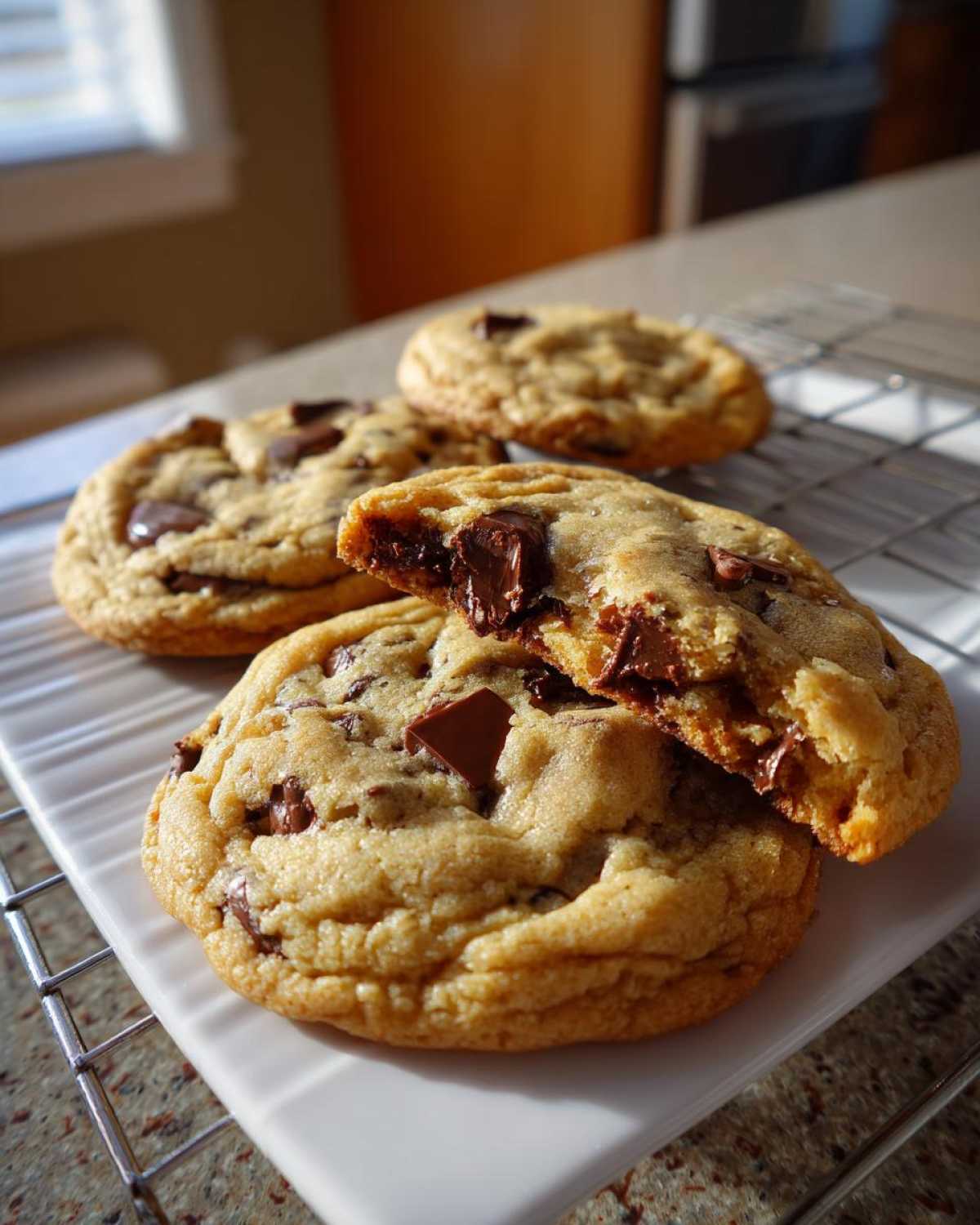
Time to scoop! Use rounded tablespoons of dough and put them onto your prepared sheets, giving them plenty of space—at least two inches apart because these babies spread just a little. If you are impatient like me and want to skip the chill time, that’s okay, they will still be fantastic today! Pop them into that 375°F oven for 9 to 12 minutes. Now, this is the secret to gooey chocolate chip cookies: when you take them out, the edges should look golden brown and set, but the center must still look slightly underbaked and soft. If they look totally done, they’ll be hard when they cool! Leave them right on that hot baking sheet for five full minutes after they exit the oven. That residual heat finishes the baking process gently and sets that delicious, melt-in-your-mouth center. After five minutes, carefully move them over to a wire rack to finish cooling down.
For extra help on quick baking projects, check out my tips on making fluffy French toast in a flash!
Tips for Success Making Thick and Chewy Cookies
Now that you’ve mastered the mixing and the crucial underbake, let’s talk about getting these cookies consistently thick and chewy cookies, batch after batch. Eva always laughs because I treat these final touches like I’m signing off on the final draft of the zine—it has to be perfect. These little tweaks, pulled right from our kitchen experiments, are what elevate these from good to the best. We want that beautiful contrast in every single bite!
Chocolate Variety for Maximum Flavor
Our main recipe calls for semi-sweet chips, which is a great starting point, but if you want to really amp up the flavor complexity, you have to mix your chocolate types. This is my favorite little move! Just throwing in about half semi-sweet and half milk chocolate chips makes a huge difference. The milk chocolate melts a bit softer, adding to that gooey factor, while the semi-sweet provides that classic, slightly darker cocoa punch. You end up with pockets of different chocolate textures and flavors scattered throughout the cookie. It makes them taste way more expensive than they are, which I love!
The Secret to Crispy Edge Cookies
Sometimes, people panic when the center looks gooey and they want that little lacey, crisp edge that screams “bakery.” Here’s the trick, and it’s subtle: when you scoop your dough balls, gently press down just a tiny bit—not flattening them completely, maybe just giving them a little shimmy with the bottom of a glass or your palm. This small action slightly increases the surface area of the dough touching the hot pan. That extra surface exposure encourages those edges to bake a little faster and set up crisper, while the thicker center stays wonderfully soft and chewy. It gives you the best of both worlds, which is what we’re aiming for in this ultimate cookie recipe. If you want more easy homemade recipes that surprise people, you should check out my pizza dough recipe—it has similar tricks for texture control!
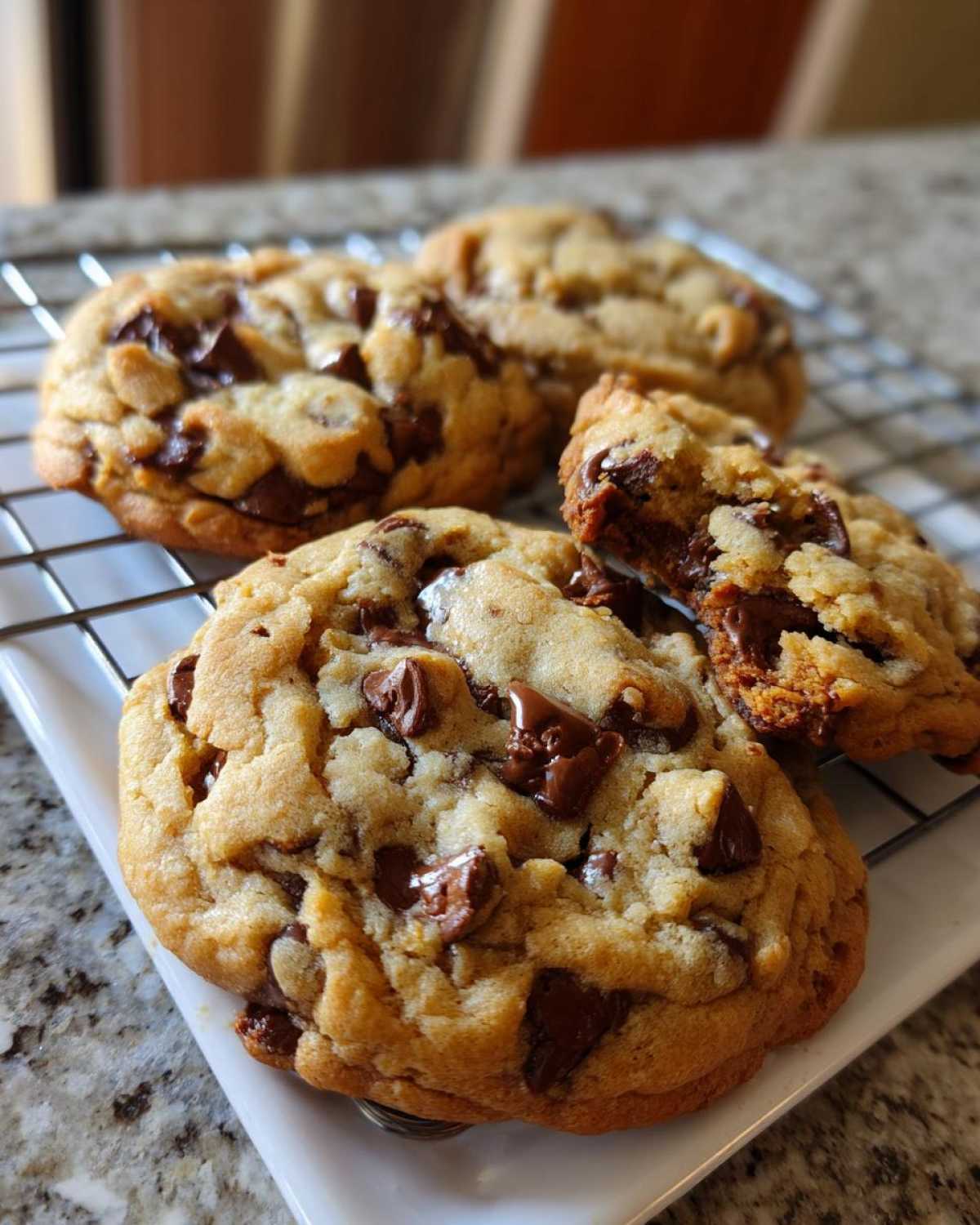
Storage and Keeping Your Chewy Chocolate Chip Cookies Fresh
Okay, you’ve pulled them out, they look perfect, and you’ve maybe stress-eaten two already (we’ve all been there). The way you store these classic chocolate chip cookies is just as important as how you bake them if you want them to stay soft tomorrow. If you just toss them in a pile on the counter uncovered, they get stale faster than you can say ‘comfort food dessert.’ We need an airtight plan, literally.
For short-term storage—say, the next three or four days—an airtight container is your best buddy. But here’s the secret Mateo told me about: if you are storing a big batch, place a slice of plain white bread or even a small piece of a tortilla in the container with the cookies. The bread releases moisture, and those cookies will happily steal it, keeping them soft and chewy! You’ll need to swap out the bread every day or so because it will definitely get hard as it does its job.
If you need them to last longer, like for holiday baking cookies or just future emergencies, freezing is the only way to go. You can freeze them baked or as dough balls. For the dough, scoop them onto a parchment-lined tray, flash freeze them until they are rock solid, and *then* transfer them to a heavy-duty zip-top bag. When you need one later, just pop a frozen ball onto a baking sheet and add about 3-4 extra minutes to the bake time. This keeps them perfectly fresh, tasting like they just came out of the oven. That’s the key to making sure your easy homemade cookies are there whenever you need a quick fix!
Troubleshooting Common Chewy Chocolate Chip Cookies Issues
Even with the best recipe in hand, baking sometimes throws us a curveball. Don’t panic if your first batch of chewy chocolate chip cookies doesn’t look magazine-perfect! When Eva and I first started experimenting, we had our share of flat disasters and puffy, cake-like messes. The good news is that most cookie problems are easily fixed once you know what went wrong in the process. This is where personal experience really pays off, and I’m happy to share the fixes so you don’t waste any chocolate chips!
The two biggest complaints people have are cookies that spread way too thin, looking more like puddles than satisfying mounds, or cookies that puff up too much and end up tasting cakey instead of chewy. Both issues usually point back to temperature or mixing technique.
Why Do My Cookies Spread Out Too Thin?
If you are finding that your dough balls flatten out almost instantly when they hit the hot oven, you’ve usually got one of two scenarios running. The first, and most common culprit, is that your butter was too soft, maybe even slightly melted, when you creamed it. Remember how I stressed that the butter needs to be softened but not greasy? If it’s too warm, it breaks down too fast in the oven, and your cookie loses all its structural integrity and just melts outwards. Bad news for that gooey center cookies goal.
The second reason is often flour-related. If you didn’t measure your flour correctly—maybe you packed it in the cup instead of spooning and leveling—you simply don’t have enough dry ingredient structure to hold the fat in place. If you suspect this, next time, try scooping your flour lightly into the measuring cup and leveling off the top. If you’ve already made the dough and it’s super slack, try dropping spoonfuls of the dough into the freezer for 15 minutes before baking. That quick freeze helps firm up the butter just enough to slow down the spread.
Why Are My Cookies Turning Cakey Instead of Chewy?
Cakey cookies are often the result of too much leavening or, far more common, overmixing the flour. Think about it: gluten develops when you work the flour too much. Gluten means structure, and structure means a tougher, more bread-like or cake-like crumb. For the best chewy cookies, remember what I said about mixing the dry ingredients—stop as soon as the flour streaks disappear. You should still see a tiny bit of flour dusting the mixture when you stop the mixer!
Another big factor for cakey cookies is using too much white granulated sugar and not enough of that moisture-retaining brown sugar. We purposefully tipped the scales toward the brown sugar in this recipe for that bendy, chewy texture. If your cookies are puffing up too much, it could also mean your baking soda is past its prime. Old leavening agents don’t spread properly; they just puff straight up, trapping air and creating a lighter, dryer interior. Always check the date on your baking soda!
What if I Don’t Like Crispy Edges?
Some people are just strictly soft-cookie people, and that’s totally fair! If you noticed your cookies getting too crisp on the outside even if the middle stayed gooey, there are two easy adjustments. First, pull those cookies out of the oven an extra minute earlier than my 9-minute minimum mark. If the center looks really wet, you’re golden, because that five-minute rest on the warm pan will do the rest of the work. Second, and this is a great tip from Eva’s book, try using a lighter-colored baking sheet instead of a dark one. Dark sheets absorb more heat and brown the bottoms and edges faster. Switching to a lighter sheet slows down that edge baking process, keeping the outside just as soft as the inside. For more baking knowledge on keeping things soft, I have a whole post on making soft honey whole wheat bread that uses similar moisture-retention science!
Frequently Asked Questions About Chewy Chocolate Chip Cookies
When people write to us about their baking adventures, they usually have the same few burning questions about how to get those easy homemade cookies just right. Since this recipe is all about that chewy magic, let’s tackle the common hurdles you might face. Don’t worry if you’re new to this; that’s why we’re here to turn your kitchen chaos into a published success story!
Can I skip chilling the dough for these chewy chocolate chip cookies?
Oh, the age-old question! If you’re in a rush and need those warm cookies *right now*, the great news is that this recipe is designed to work beautifully without chilling. We specifically created the ratios so you can mix, scoop, and bake immediately for an almost no chill cookie recipe experience. However, if you *can* wait, I strongly suggest chilling the dough for at least 30 minutes. Chilling firms up the fats, which prevents a little too much spreading, leading to thicker cookies with even more developed flavor overnight. So, yes, you can skip it, but chilling gives you a slight edge in thickness!
What is the best way to get gooey chocolate chip cookies?
This is where the drama happens! Achieving those gooey chocolate chip cookies comes almost entirely down to timing in the oven. You are looking for the visual cue that the edges are set—they are golden brown and look sturdy—but the very center of the cookie still looks slightly soft, maybe even a little bit underdone. Don’t be scared; they will look puffy! The crucial part? Do not touch them for five minutes after they come out. They continue to bake on that hot pan, and that residual heat gently cooks the middle into that perfect gooey center. If you pull them out looking perfectly baked, they will be hard when they cool down, so aim for slightly underdone every time!
Can I substitute the butter in this chocolate chip cookie recipe?
Look, I love a good substitute when things are tight, but for these cookies, I really have to advise against substituting the butter, especially if your main goal is achieving that signature chew. Butter has a specific fat and water content that helps create the right crumb structure when it’s creamed with the sugar. Margarine or oil just won’t provide the same richness or structure, and you’ll likely end up with a cookie that spreads too much or has a greasy mouthfeel. To guarantee the best chewy cookies and avoid texture failure, stick with the unsalted butter. Once you try this recipe, you’ll see why it’s worth it!
We’ve got loads more tips for making your kitchen a hit factory over in the main archives here!
Nutritional Estimates for These Chewy Chocolate Chip Cookies
Okay, I know what some of you are thinking. We bake for joy, for comfort, and maybe for a little bit of pure, unadulterated sugar rush, but Eva still makes me put in this section! Because we believe in publishing everything authentically, here are the estimated nutritional facts for these incredible cookies. Remember, this is just an estimate, and these numbers shift slightly based on the exact brand of butter or chocolate chips you use, so take it as a general guideline for your homemade dessert treats.
We calculated this based on a standard serving size of one cookie, which, let’s be real, is almost never how many we eat at once! This recipe yields about two dozen, so keep that divisor in mind.
- Serving Size: 1 cookie
- Calories: 180
- Sugar: 15g (That molasses in the brown sugar really adds up, but it’s what makes them chewy!)
- Fat: 10g
- Saturated Fat: 6g
- Carbohydrates: 22g
- Protein: 2g
- Cholesterol: 30mg
See? Not too bad for one of the ultimate cookie recipes! It’s a perfect little indulgence to pair with your afternoon coffee or as one of your go-to dessert ideas for weeknight meals. Enjoy them guilt-free, knowing you made something spectacular completely from scratch!
Share Your Ultimate Chewy Chocolate Chip Cookies Creations
Now that you have the blueprint for the absolute best chewy chocolate chip cookies, I really, truly want to see what you create! This is why we started Flavor Zine—to capture the messy, wonderful reality of cooking together. Did you try the milk and semi-sweet chocolate mix? Did you manage to pull yours out at the perfect slightly-underbaked moment? Tell me everything!
Please take a picture of your batch—whether they are thick and perfect or maybe a little spread out (oops!). Tag us on social media so Eva and I can cheer you on. We love seeing your successes, and honestly, seeing your cookies inspires us for the next batch we bake here in our kitchen.
If these cookies have earned a permanent spot in your rotation, hop over and leave a rating on the recipe card. Your feedback helps other bakers jump right into this recipe without hesitation. We take reader reviews super seriously; it’s how we know we’ve published another successful issue! You can find more of our latest creations and back issues of our culinary zine right over on our main blog page right here.
If you’re already searching for another texture challenge, I highly recommend checking out our friends who also obsess over chewy baked goods, like this fantastic guide to crispy and chewy cookies. Happy baking, friend—go share your masterpieces!
PrintUltimate Chewy Chocolate Chip Cookies Recipe

Follow this easy homemade recipe for bakery style chocolate chip cookies that deliver perfectly soft centers and satisfyingly chewy texture every time you bake.
- Prep Time: 15 min
- Cook Time: 12 min
- Total Time: 27 min
- Yield: 2 dozen cookies
- Category: Dessert
- Method: Baking
- Cuisine: American
- Diet: Vegetarian
Ingredients
- 1 cup (2 sticks) unsalted butter, softened
- 1 cup packed light brown sugar
- 1/2 cup granulated sugar
- 2 large eggs, room temperature
- 1 tablespoon vanilla extract
- 2 1/4 cups all-purpose flour
- 1 teaspoon baking soda
- 1/2 teaspoon salt
- 2 cups semi-sweet chocolate chips
Instructions
- Preheat your oven to 375 degrees Fahrenheit. Line baking sheets with parchment paper.
- In a large bowl, cream together the softened butter, brown sugar, and granulated sugar until the mixture is light and fluffy. This takes about 3 minutes.
- Beat in the eggs one at a time, mixing well after each addition. Stir in the vanilla extract.
- In a separate medium bowl, whisk together the flour, baking soda, and salt.
- Gradually add the dry ingredients to the wet ingredients, mixing on low speed until just combined. Do not overmix the dough.
- Fold in the chocolate chips by hand using a spatula.
- Drop rounded tablespoons of dough onto the prepared baking sheets, spacing them about 2 inches apart. For thicker cookies, you can chill the dough for 30 minutes, but this recipe works well without chilling for a quick bake.
- Bake for 9 to 12 minutes. You want the edges to be set and golden brown, but the centers should still look slightly soft and underbaked for the best chewy results.
- Let the cookies cool on the baking sheet for 5 minutes before transferring them to a wire rack to cool completely.
Notes
- For extra gooey chocolate chip cookies, use a mix of milk and semi-sweet chocolate chips.
- If you want crispy edge cookies, slightly flatten the dough balls before baking.
- Using more brown sugar than white sugar helps keep the cookies soft and chewy.
Nutrition
- Serving Size: 1 cookie
- Calories: 180
- Sugar: 15
- Sodium: 110
- Fat: 10
- Saturated Fat: 6
- Unsaturated Fat: 4
- Trans Fat: 0
- Carbohydrates: 22
- Fiber: 1
- Protein: 2
- Cholesterol: 30